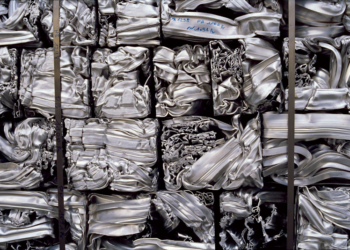
In 2022, UN researchers estimated the value of all electronic waste at $48 billion, an amount almost equal to the GDP of Ivory Coast. According to a report by the International Forum on Waste Electrical and Electronic Equipment (WEEE), 6.3 billion phones are lying forgotten in drawers.
A mountain of e-waste
Forgotten at the bottom of a drawer or in a cupboard. Of the 18 billion smartphones in circulation worldwide, a third will become electronic waste by 2026, according to a study by the International Forum on Waste Electrical and Electronic Equipment (WEEE), a non-profit organization.
Unused mobile phones are just the tip of the iceberg of the 49.48 million tons of global waste electrical and electronic equipment (WEEE). From razors to tablets and washing machines, the mountain of unused household electronic waste is expected to reach 74 million tons per year by 2030, according to the Global E-Waste Monitor 2020. People tend not to realize that all these seemingly insignificant items have a lot of value. Together, globally, they represent enormous volumes, explains the director of the WEEE Forum.
Indeed, WEEE represents an untapped resource. Many of these items contain strategic metals such as cobalt in batteries or copper in wires. These resources could be used to produce new electronic devices or equipment like solar panels.
UN researchers estimated the value of all these components for 2022 at $48 billion, an amount almost equal to the GDP of Côte d’Ivoire. Due to the low recycling rate – only one in seven items is reused – only $8.5 billion worth of electronics could be recovered.
Devices are piling up. Equipment that isn’t recycled is actually kept by its owners. WEEE conducted a survey of 8,775 households in six European countries. On average, each household owns 74 electronic products, excluding lamps. Of these, 13 are unused. While some have gotten into the habit of reselling their old devices, one in two people believes the device could be used again. To explain their choice not to recycle devices, respondents also cited sentimental attachment and the potential appreciation in value of the item.
On average, in an American household, one in six electronic devices is unused. The International Telecommunication Union of the United Nations has set a target of recycling 30% of WEEE (Waste Electrical and Electronic Equipment). And American legislation is moving in that direction.
How the government of Tennessee cope with WEEE
The Tennessee government deals with WEEE in the state through regulation, programs, and partnerships, which aim at the safe disposal and recycling of WEEE. The major entity in charge of dealing with WEEE in the state of Tennessee is the Tennessee Department of Environment and Conservation.
Several measures support electronics waste recycling in Tennessee, including partnerships with local governments, schools, and for-profit recycling companies like Same Day Dumpster Rental Knoxville. Counties and cities host events or facilities where people can drop off their computers, TVs, phones, and appliances, or hire a dumpster rental. This is crucial in preventing toxic materials such as lead, mercury, and cadmium from entering landfills or their way into water.
The state is also involved in public education. The TDEC informs people on why WEEE recycling is significant as well as how to dispose of electrical items. The public is thus made aware through the role of the government to reduce illegal dumping of waste materials as well as increase recycling.
Additionally, Tennessee adopts responsible recycling practices in its recyclable materials standards through its emphasis on working with recyclers certified to meticulously destroy electronics while extracting valuable materials. With public and private sector collaboration and control, the Tennessee government handles WEEE properly to limit its environmentally damaging impacts and Tennessee landfills usage.